Does Working Out Get Rid Of Gynecomastia?

Updated: Dec 9, 2025
That awkward moment when you’ve trained your chest for months, but the mirror and your shirt still tell a different story.
Frustrating, isn’t it? Gynecomastia isn’t about effort or discipline. It’s not a reflection of how hard you train or how clean you eat; it’s a hormonal condition, not just excess fat.
You push through workouts, stay consistent, yet that stubborn, soft bulge refuses to go. You’re not alone; countless men face the same silent struggle.
What many don’t realize is that the root of gynecomastia lies beneath the muscle. It’s not something you can simply out-train or diet away, and that’s where most of the confusion begins.
At Dr. Suraj Nair’s clinic, we meet men like you every day - men looking for clarity, confidence, and real results.
We help you understand what’s happening, guide you with compassion, and offer surgical solutions that genuinely work.
Understanding Gynecomastia
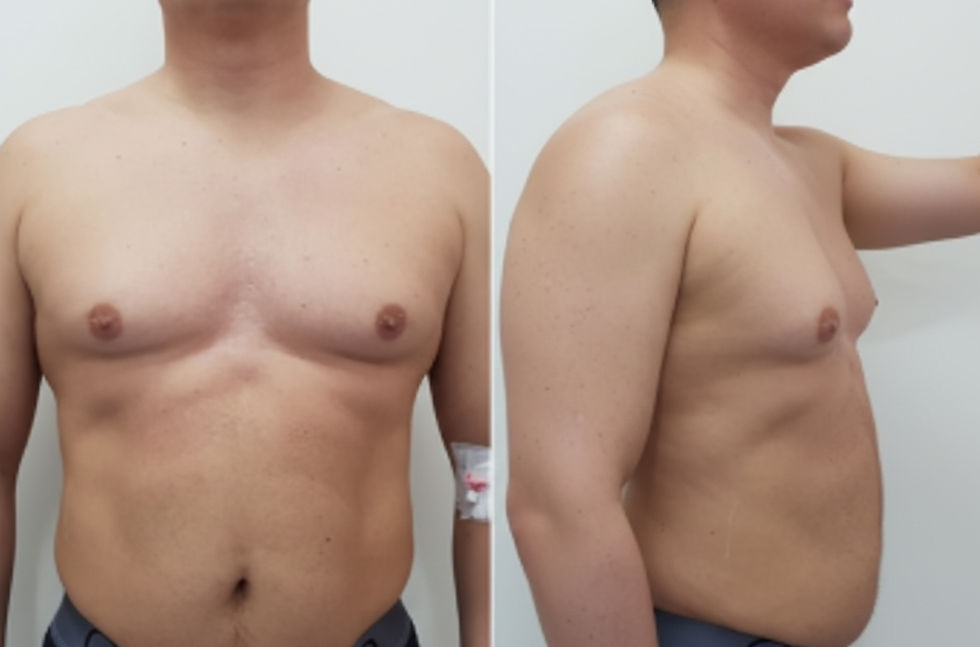
That persistent puffiness around the chest isn’t unusual, and no, it’s not always just fat. Gynecomastia, caused by increased estrogen levels and reduced testosterone in men, is more than a cosmetic concern; it has a biological basis.
It’s important to distinguish this from pseudogynecomastia, which stems purely from fat accumulation without any hormonal imbalance. Understanding how male breast tissue works clarifies why even the most disciplined workouts may fall short unless the underlying cause is addressed.
Causes of Gynecomastia:
Hormonal imbalance: A drop in testosterone or a spike in estrogen can trigger breast tissue growth.
Adolescence: Common during puberty due to fluctuating hormone levels.
Ageing: A natural decline in testosterone production can lead to glandular swelling in older men.
Obesity: Increases estrogen levels and can make the chest appear more enlarged.
Medications or steroids: Certain drugs, anabolic steroids, and hormone treatments can worsen or cause the condition.
Underlying health conditions: Liver, kidney, or thyroid disorders may contribute to hormonal disruptions.
Not just cosmetic: Gynecomastia often reflects deeper hormonal or metabolic imbalances that require medical evaluation.
Common Symptoms and Psychological Effects of Gynecomastia:
Physical symptoms:
Swelling or enlargement of breast tissue
Small lump or firmness beneath the nipple
Puffiness or tenderness around the chest
Occasional soreness or sensitivity
Psychological effects:
Poor body image and loss of confidence
Increased anxiety and self-consciousness
Social withdrawal or avoidance of shirtless activities (like swimming or the gym)
Fear of judgment, teasing, or comparisons
Depression or emotional distress due to an altered appearance
Reduced overall self-esteem and well-being
A sense that the issue affects not just appearance, but emotional identity and self-worth
Role of Exercises in Management
Hitting the gym gives men hope for change, but sculpting that chest needs more than dedication. Targeted workouts can tone muscles and reduce fat, but they can’t shrink glandular tissue caused by gynecomastia. Still, exercise strengthens confidence, improves posture, and enhances overall health, making it a meaningful step in managing the condition.
Types of effective exercises
Some exercises help tone the chest area and reduce surrounding fat. Push-ups, dumbbell bench presses, and chest flies support chest workouts specific to gynecomastia. Resistance training tones underlying muscles while cardio burns calories systemically. High Intensity Interval Training (HIIT) adds fat-torching bursts, and Yoga helps with posture and breathing - all contributing positively.
Benefits and limitations of workouts
Workouts can help trim down fat and build chest muscles, but not stimulate glandular growth. Knowing the difference between fat and firm breast tissue helps set goals. Staying consistent with proper form avoids injuries. It’s best to consult fitness pros familiar with gynecomastia concerns to tailor safe and effective training options.
Supporting Lifestyle Measures
Beyond gym hours, what you eat and how you live matter too. Healthy choices reduce inflammation, balance hormones, and support exercise outcomes. Self-care, discipline, and habit changes all contribute to managing gynecomastia long term.
Role of diet and nutrition
Cutting processed foods and alcohol while adding testosterone-boosting foods like leafy greens, eggs, and flaxseeds makes a difference. Balanced meals, featuring lean proteins and complex carbs, help in maintaining a steady metabolism. Small, consistent dietary changes like skipping sugar and deep-fried snacks have ripple effects on male hormone regulation.
Other contributing lifestyle habits
Regular alcohol intake interferes with hormone balance and increases the chances of developing or worsening gynecomastia. Also, lifting weights with improper form stresses the body more than it helps. Stress-reducing activities like meditation stabilise hormone levels and aid recovery, mentally and physically. Every choice counts in controlling symptoms.

Medical and Surgical Options
Exercise and diet help, but if the chest swelling remains firm and doesn’t budge with effort, medical intervention steps in. At our clinic under Dr Suraj Nair’s expert guidance, we address both hormonal and physical aspects through customised solutions.
When exercise is not enough
For long-lasting results, surgical options like liposuction or gland removal work when other methods fail. Hormonal therapy manages the underlying imbalance, especially in adolescence or steroid-induced cases. Some boys outgrow it naturally; others may require intervention. Each case is unique, and so is the approach.
Designing a Personal Fitness Strategy
Consistency starts with a solid foundation. Building a custom plan helps target fat, strengthen chest muscles, and track changes efficiently. It’s more than reps - it’s strategy.
Key components of a workout plan
Focus on strength training with weightlifting and proper bodybuilding form. Increasing chest muscle visibility matters, but addressing overall fat percentage has more impact. Keep goals realistic and invest consistent time into results without expecting overnight changes. Perseverance pays off slowly, but surely.
Tracking progress and managing setbacks
Photos, measurements, and how clothes fit speak louder than scales. Pain during exercise signals a problem - check form and load. Facing teasing or stigma? Seek professional help. At our clinic, we’re used to assessing emotional and physical elements, guiding each patient with empathy and professionalism.
FAQs
Is gynecomastia reversible with exercise alone?
No. If it’s glandular tissue, workouts won’t be enough. Surgery may be the final step in achieving a flatter chest.
How to know if it’s fat or glandular tissue?
Soft bulges usually mean fat, while firm, rubbery swellings hint at glandular gynecomastia. A clinical exam confirms it best.
Why Won’t My Chest Just Look Normal Again?
Sometimes it feels like no matter how many hours are spent lifting, that soft chest shape won’t budge. That frustration - the one that lingers after every push-up or bench press - comes from chasing changes that exercise alone might never deliver.
The truth is, even the most disciplined workout routine can’t fix what’s rooted in glandular tissue rather than fat or muscle. While fitness plays a strong supporting role, surgical correction often becomes the clear path forward for many men seeking flatter, firmer chests that reflect their effort.
At Dr. Suraj Nair - Premier Plastic Surgery clinic in Andheri, we help men dealing with gynecomastia reclaim their confidence through precise, specialised procedures. Book your consultation today to explore your gynecomastia surgery options clearly and comfortably.


